- THIS DOMAIN NAME TANKLESS.CO.UK IS FOR SALE
- Rinnai UK Ltd.
Address: Unit 4, The Business Centre, 1-3 Bessemer Road, Welwyn Garden City, AL7 1GF, United Kingdom
Website: https://www.rinnaiuk.com - Stiebel Eltron UK Ltd.
Address: Unit 2, The Old Brickworks, New Road, Hailsham, East Sussex BN27 3RE, United Kingdom
Website: https://www.stiebel-eltron.co.uk - EcoSmart (Part of Rheem UK)
Address: Rheem UK Ltd., Broomfield Road, Chelmsford, Essex CM1 3HS, United Kingdom
Website: https://www.ecosmart.co.uk - Ariston Thermo UK Ltd.
Address: Ariston House, The Causeway, Staines-upon-Thames, Middlesex TW18 3BA, United Kingdom
Website: https://www.ariston.com/uk - Navien UK Ltd.
Address: Unit A2, The Enterprise Centre, Wrexham Technology Park, Wrexham LL13 7YP, United Kingdom
Website: https://navienuk.co.uk - Bosch Thermotechnology Ltd.
Address: P.O. Box 148, Denby Hall Business Park, Ripley DE5 8NA, United Kingdom
Website: https://www.bosch-thermotechnology.co.uk
Understanding Tankless Water Heaters
Tankless water heaters, also known as on-demand water heaters, represent a significant advancement in water heating technology compared to traditional tank systems. Unlike conventional water heaters that store hot water in a tank, tankless systems heat water directly as it flows through the unit. This process occurs almost instantaneously, providing a continuous supply of hot water without the limitations imposed by a pre-stored reservoir.
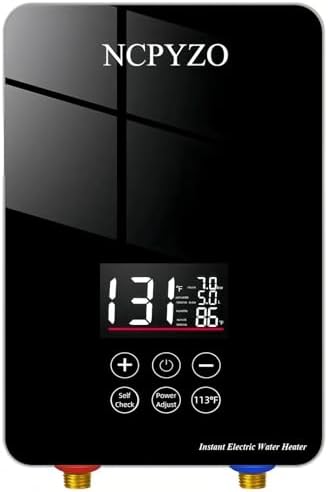


The operational efficiency of tankless water heaters is a key benefit. By heating water only when required, these systems minimize energy consumption and can lead to substantial savings on utility bills. Moreover, they tend to have a longer lifespan than traditional units, often lasting over 20 years with proper maintenance. In terms of space, tankless systems are more compact, allowing for installation in various locations where traditional heaters would be prohibitive.
One common misconception is that tankless water heaters can’t meet high demand. However, properly sized units can supply hot water to multiple outlets simultaneously. Additionally, advancements in technology have led to models capable of serving larger homes or commercial establishments effectively. It is vital, though, to assess individual needs and select a system accordingly to avoid running out of hot water during peak usage times.
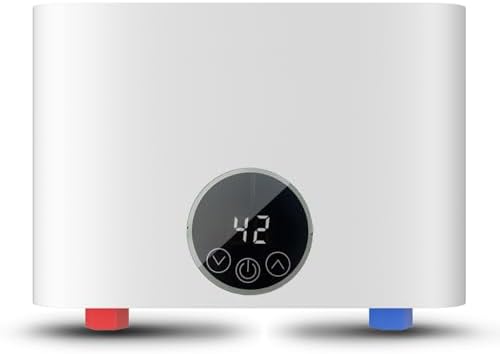
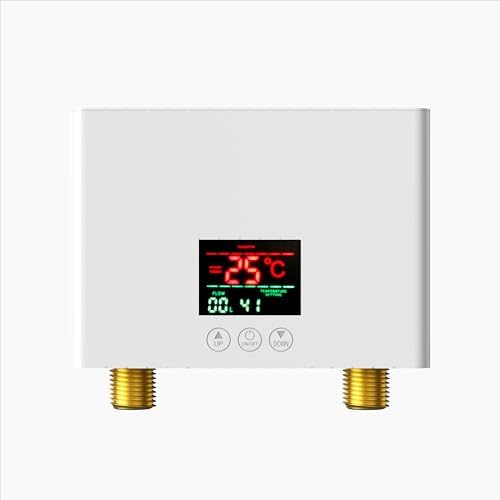
Moreover, choosing a tankless water heater can impact overall energy costs and water usage. With increased efficiency, these units reduce both electricity and water waste, which is not only cost-effective but also environmentally friendly. When analyzing the suitability of tankless systems, it is essential to consider water temperature preferences, the number of outlets in use, and the existing infrastructure, to ensure a seamless transition from traditional to tankless systems.
Top Features to Look for in a Tankless Water Heater
When selecting a tankless water heater for your property, there are several essential features that should be carefully considered to ensure it meets your specific hot water needs. One of the most critical factors is the flow rate, measured in gallons per minute (GPM). This rate indicates how much hot water can be supplied at once. To determine the appropriate flow rate for your household, consider the number of appliances that will simultaneously use hot water, such as showers, dishwashers, and washing machines.
Another significant feature is the energy source used by the tankless heater. Tankless water heaters typically operate on either gas or electricity. Gas units generally have a higher flow rate and can heat water more quickly than electric models, making them ideal for larger households or properties with high hot water demands. Conversely, electric tankless water heaters may be more suitable for smaller homes or for supplemental hot water supply due to their compact size and easier installation process.
Temperature control mechanisms are also critical in ensuring a comfortable and consistent hot water supply. Advanced units often come with digital temperature displays and precise temperature settings, allowing users to adjust the water temperature to their liking efficiently. This feature not only enhances user convenience but also helps prevent scalding accidents, especially in households with children.
Finally, warranty options are worth considering, as they vary among manufacturers. A robust warranty can provide peace of mind and protection against potential defects or malfunctions. Additionally, always consider the size and installation requirements of the unit to ensure it is compatible with your property’s hot water demand. Proper installation is vital for optimal performance and energy efficiency. Gathering all these factors will help you make an informed decision when choosing the right tankless water heater for your needs.
Review of the Best Tankless Water Heaters on the Market
When considering the installation of a tankless water heater, it is essential to evaluate different models based on performance, efficiency, and consumer feedback. In this section, we will explore some of the best tankless water heaters available, detailing their specifications, strengths, and weaknesses. This information will assist homeowners in making an informed decision tailored to their specific needs.
One standout model is the Rheem RTE 13. This compact unit is designed for single-point applications and is particularly effective for smaller households. With a maximum flow rate of 4 gallons per minute, it offers an efficient solution for kitchens and bathrooms. Its compact size also contributes to an extensive lifespan due to its copper heat exchanger and patented design. However, its limited output may not cater to larger demands.
For those seeking high-capacity options, the Rinnai RUC98i offers significantly greater performance, accommodating households with higher hot water needs. It boasts an impressive flow rate of up to 9.8 gallons per minute, providing hot water for multiple outlets simultaneously. Although it comes at a higher price point, its energy efficiency and durability make it a top-rated choice among consumers.
Another commendable option is the EcoSmart ECO 27, ideal for medium to large homes. This model features self-modulating technology, optimizing energy usage based on hot water demand, which aids in reducing monthly utility bills. With a flow rate of 6.5 gallons per minute, it is suitable for multiple applications, including showers and dishwashing. However, its power requirements may require an upgrade to existing electrical systems, which should be factored into the overall cost.
Lastly, the Stiebel Eltron Tempra Plus 24 is notable for its advanced flow control technology, ensuring a consistent temperature even with fluctuating flows. It is well-suited for those looking to balance efficiency with performance in all seasons. While priced in the mid-range, its reliability and features often justify the investment for many homeowners.
Installation and Maintenance Tips for Tankless Water Heaters
When it comes to the installation of a tankless water heater, homeowners can choose between hiring a professional or attempting a DIY approach. While the latter may seem cost-effective, it is essential to recognize the complexities involved in ensuring proper installation. Tankless systems require precise venting and unique plumbing considerations to function optimally. Hiring a licensed plumber experienced in tankless water heaters can help circumvent potential issues, ensuring adherence to local codes and efficient operation.
Venting is a critical aspect to consider; tankless units typically use either direct or powered venting systems. Direct vent units draw air from the outside, while powered vent models utilize fans to expel exhaust gases, offering greater installation flexibility. Be sure to consult with your installer to determine the most suitable venting type according to your property’s layout. Additionally, factor in plumbing requirements, as existing pipes may need adjustments to accommodate specific tankless configurations.
The costs associated with installation may vary significantly based on several factors, including the existing infrastructure, location, and chosen manufacturer. Homeowners can expect to pay between $1,000 and $3,000, including parts and labor, although this can increase for complex installations. Investing in a quality system initially may result in cost savings over time through energy efficiency and extended longevity.
Maintaining a tankless water heater is essential for maximizing its lifespan and efficiency. Regular maintenance involves routine cleaning of the filters and flushing the system at least once a year to prevent mineral buildup. Vinegar or a commercial descaling solution can effectively remove scale. It’s also vital to monitor the system for any error codes that may signal common issues such as overheating or inadequate water flow.
By familiarizing yourself with these installation and maintenance practices, you can ensure your tankless water heater operates optimally, providing efficient hot water for years to come.
Contact information http://www.abshot.com/contact/